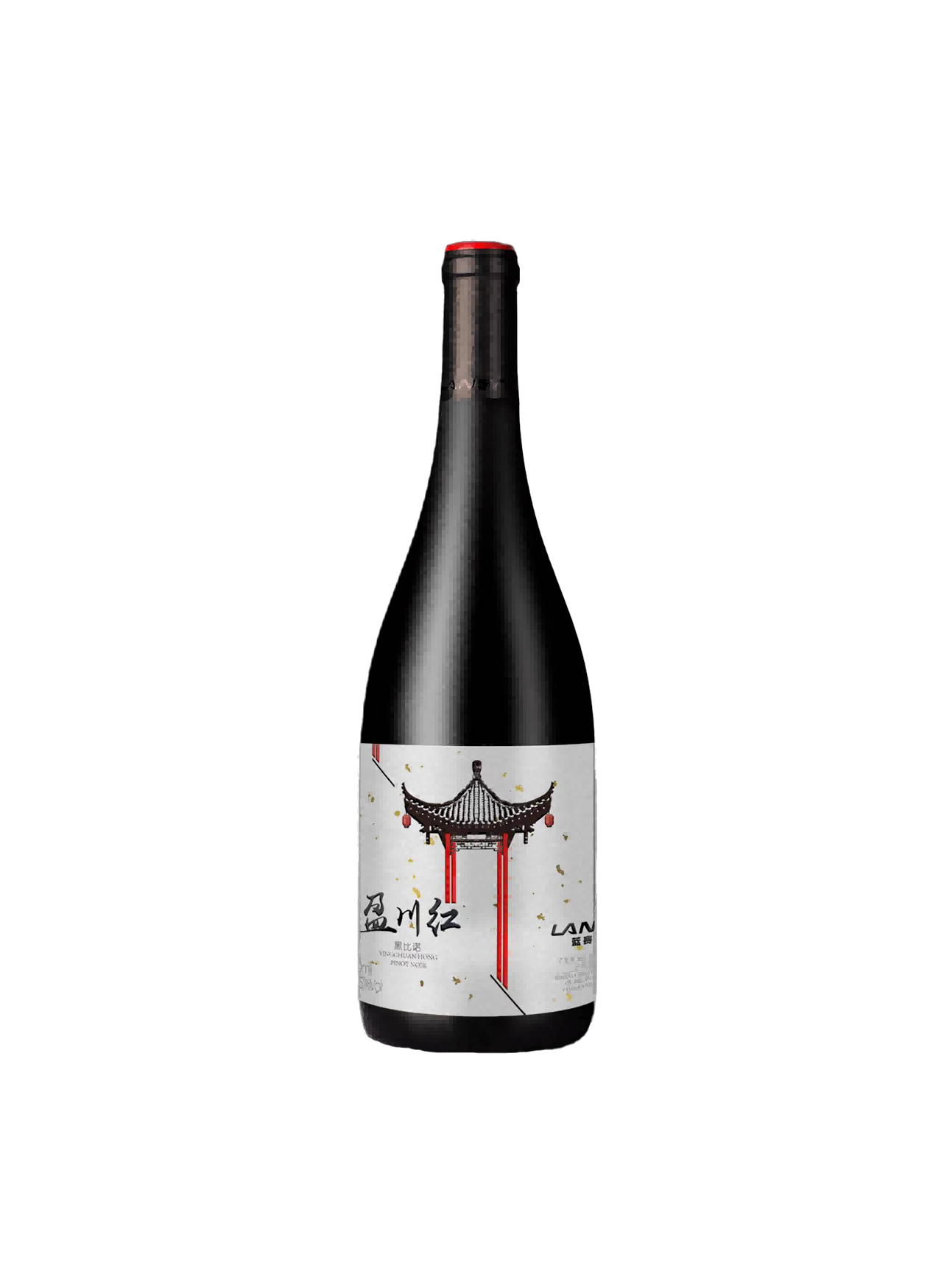
After a slight chill, the bottle is opened. The wine presents a pale ruby-red hue with a soft, delicate sheen. Surprisingly, the aroma is quite bold and wild, far exceeding the typical range of Pinot Noir. Vibrant red fruit notes of raspberry and strawberry burst forth like a spring, accompanied by hints of candied hawthorn and pear. Meanwhile, the wild fragrance of shrubs and flower bushes adds a flamboyant spring-like charm, creating a sweet yet subtly savory atmosphere. The finish carries a faint animalistic or musky note, and with a deep inhale, a touch of distant depth emerges.
On the palate, the wine is medium-bodied leaning toward lightness, with a fresh and smooth texture. The acidity is moderate—not as high as in classic Pinot Noir—but bright and lively in expression. The tannins are low, like gentle ripples on water, barely noticeable, even evoking a fleeting impression of Beaujolais Nouveau. Combined with an alcohol level of 12.5% (unusually low for Ningxia wines), the overall structure leans toward a petite, charming profile.
The flavor profile follows a cool-climate style, with an intense juiciness that delivers a striking impact upfront. Vibrant red fruit flavors—raspberry, sour cherry, and plum—soak the palate like freshly pressed juice, while a sprinkle of rose petal aroma lingers atop. The concentration is ample, with a clean and crisp texture, exuding a natural, wild, and flamboyant beauty that is both seductive and delightful. Mid-palate, hints of earth, wild herbs, and woody tones emerge, while the sweetness of the floral and fruity notes becomes more pronounced, almost like fruit candies. However, further complexity is limited, and the flavors gradually fade. The finish is medium in length (around 7-9 seconds), dominated by sweet-and-sour berry notes.
During wine making, the team employed gentle pressing, cold maceration, and low-temperature fermentation to maximize aromatic extraction. Additionally, the quality of the fruit itself was commendable.
In summary, this is a rather modern-style Pinot Noir, emphasizing freshness, aromatic expression, and youthful character—quite distinct from conventional or traditional interpretations. One might even say it resembles a Beaujolais Nouveau-style Pinot Noir or some Japanese red wines I’ve tasted before: fragrant, easy-drinking, and effortlessly enjoyable. At the very least, in a blind tasting, it might stump people as Pinot Noir—let alone a wine from Ningxia.