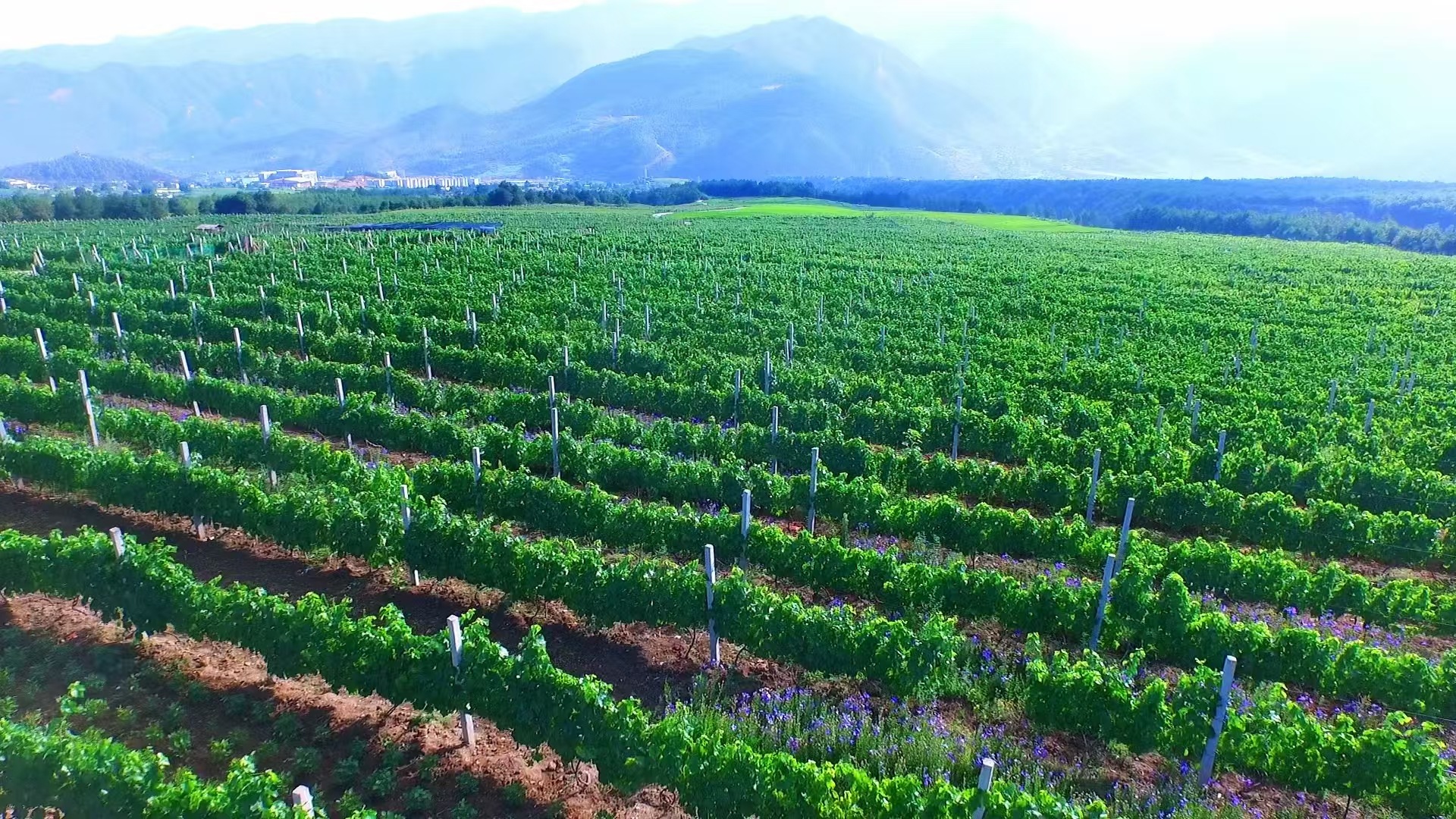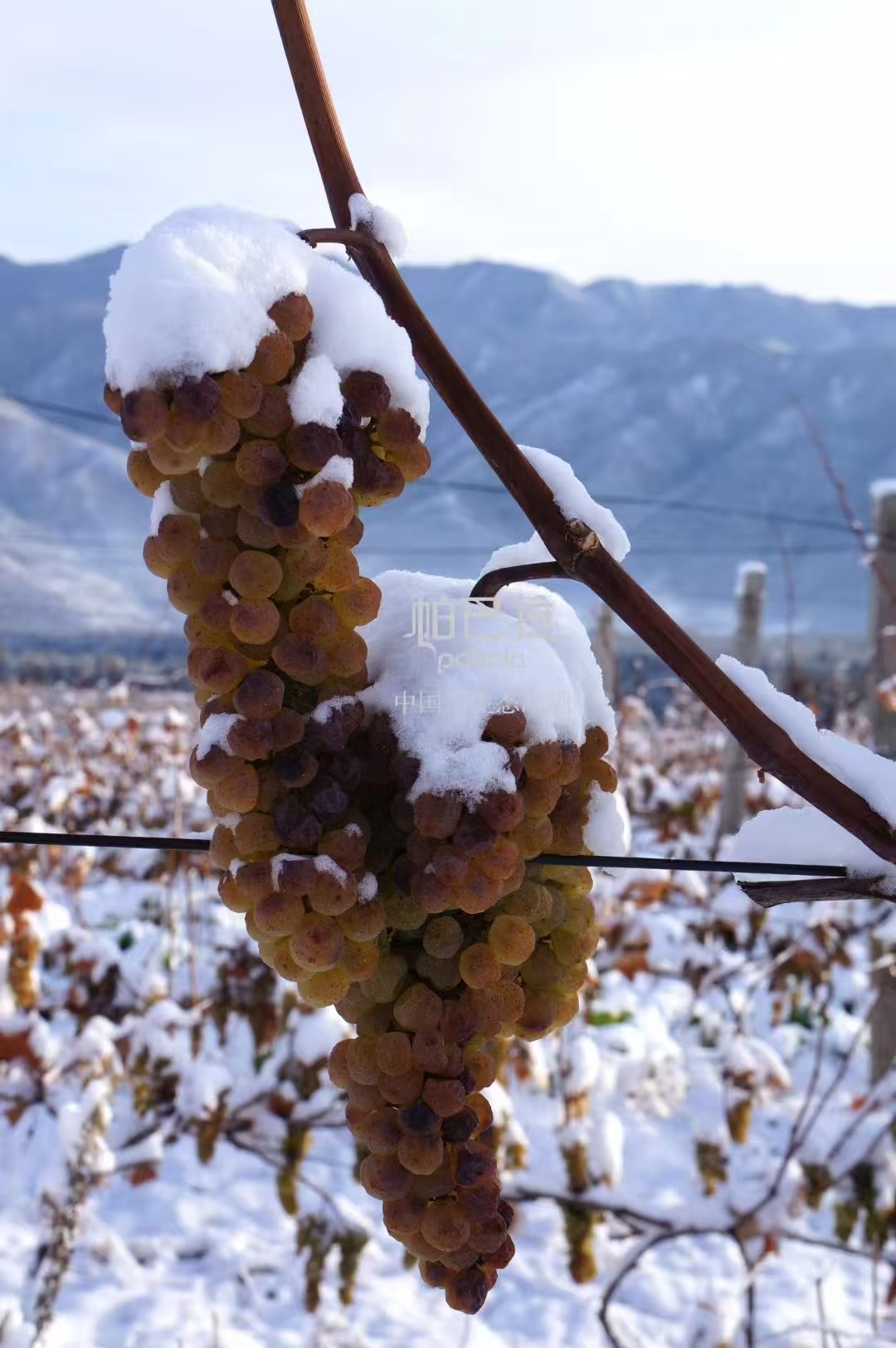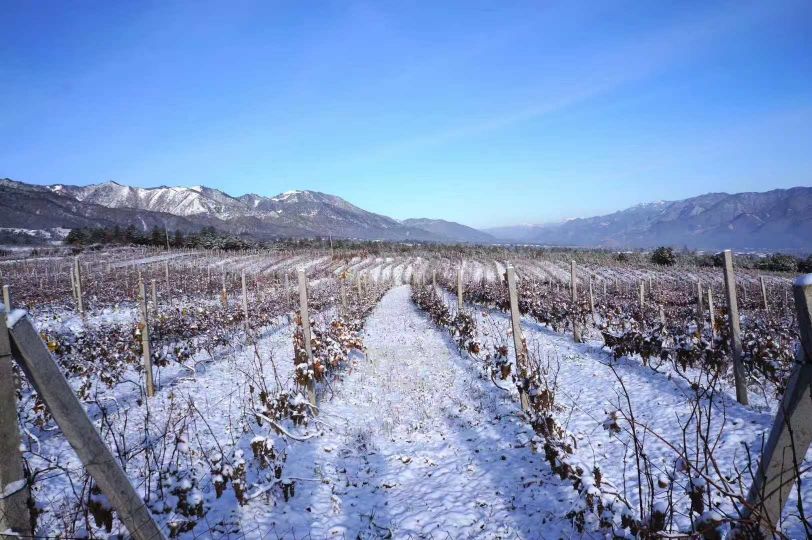


Yunnan Shangri-La is the world’s lowest-latitude, highest-altitude ice wine region, boasting the finest natural conditions, the largest scale of exploitable resources, and the most distinctive terroir characteristics.
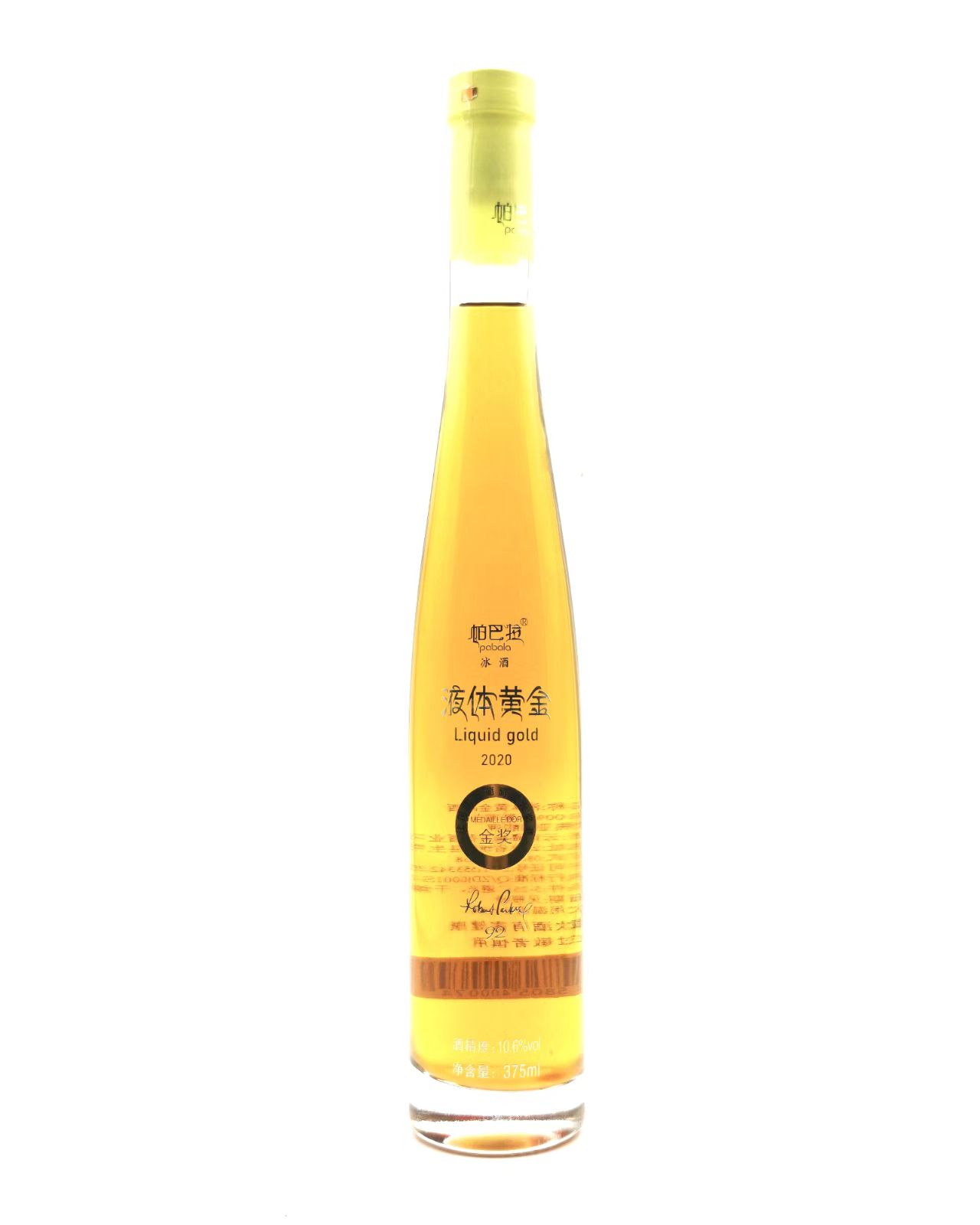
Pabala Winery is a unique and magical presence—a winery dedicated exclusively to ice wine production for 23 years. As the earliest ice wine winery in the Shangri-La region of Yunnan, it is also a pioneer of ice wine in China.
Pabala Winery is one of the largest ice wine producers in the world, with a vineyard area of 5,300 acres. The winery is committed to crafting ice wine in the purest environment, creating the sweet wines it loves most.
Latitude
Located at 27°N, it is the closest premium wine-producing region to the equator. With long sunshine hours and ample light, the warm daytime climate results in grapes with high sugar content, yielding wines with a full-bodied and rich structure.
Altitude
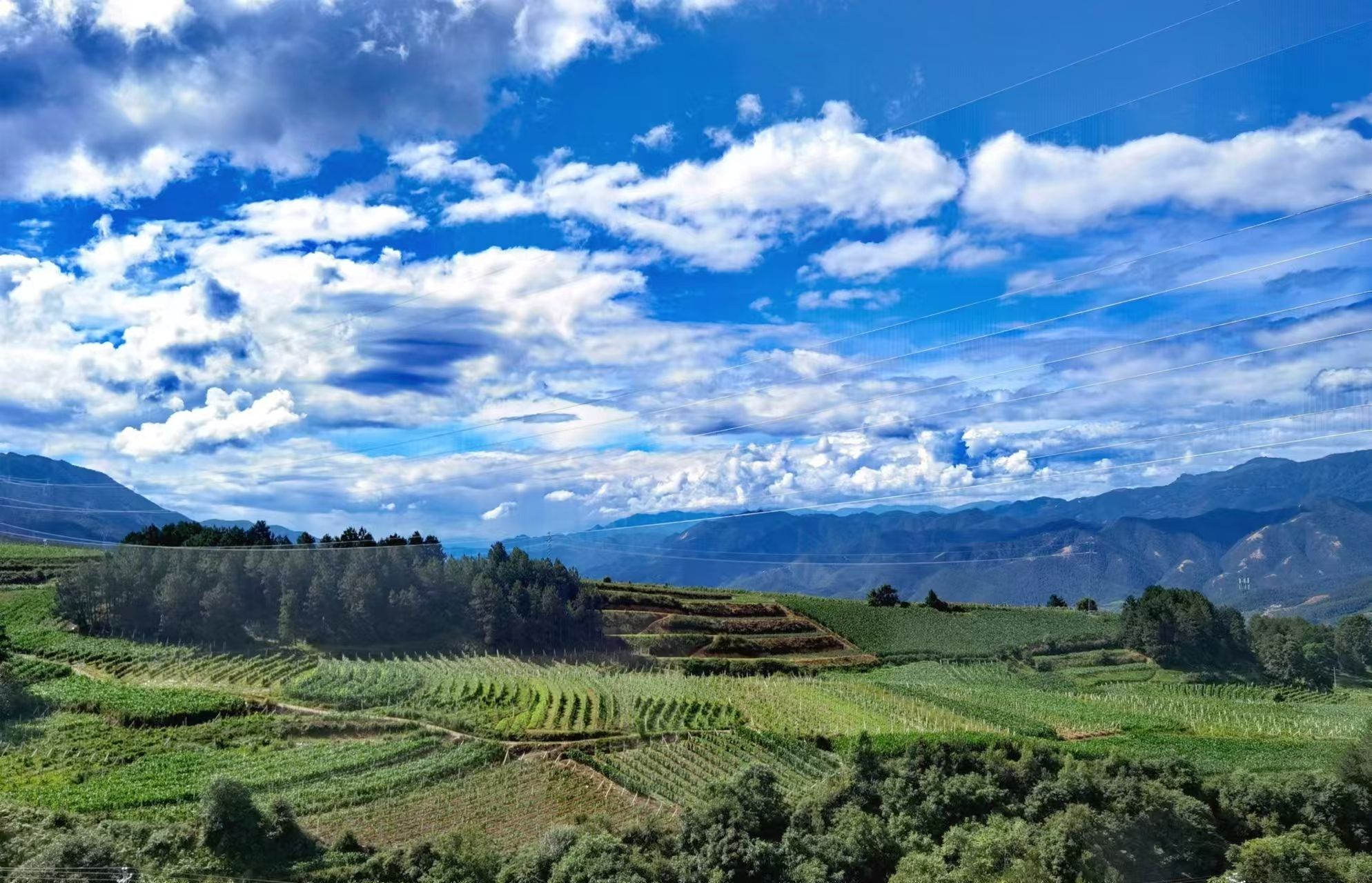
Situated at 2,400–2,900 meters above sea level, it is the highest-altitude wine region in the world, earning the title of "the vineyards closest to the blue sky." The combination of high altitude and low latitude creates significant diurnal temperature variations, contributing to complex aromas, abundant nutrients, and a perfect sweet-acid balance in the grapes.
Terrain
Surrounded by towering mountains, the region remains unaffected by summer’s warm, humid airflows or winter’s cold winds, resulting in stable climatic conditions. Pabala Winery, located at 2,400–2,900 meters, experiences winter temperatures between -7°C and -13°C, making it an ideal climate for ice wine production.
Topographic Diversity
The Shangri-La region features a highly complex terrain, with mountains, river valleys, basins, hills, gentle slopes, meadows, plateaus, and plains intertwined in an irregular, ever-changing pattern.
Soil Diversity
The soils of Shangri-La include over 30 types, such as red soil, brown soil, cinnamon soil, black soil, chestnut soil, paddy soil, wetland soil (meadow and marsh soil), lithomorphic soil, and alpine soil. Their distribution is irregularly interwoven due to topographic influences, with multiple soil layers and intricate structures.
Climatic Diversity
The climate in Shangri-La varies by geographic location, altitude, and terrain, encompassing warm-hot, mild-cool, dry-hot, dry-cold, dry-warm, cool, alpine, and snowy conditions. With significant diurnal temperature differences and distinct seasonal changes, it is often said that "one day feels like four seasons, and the weather varies within ten miles."
Biodiversity
The Shangri-La region is rich in biological resources, hosting 3,870 species of plants from 289 families, including fungi, mosses, ferns, and seed plants. It is home to 1,241 ornamental plant species, with rhododendrons being the most prominent, as well as 97 species of mammals from 26 families. Known as a "natural alpine botanical garden," it is a treasure trove of biodiversity.
Founder